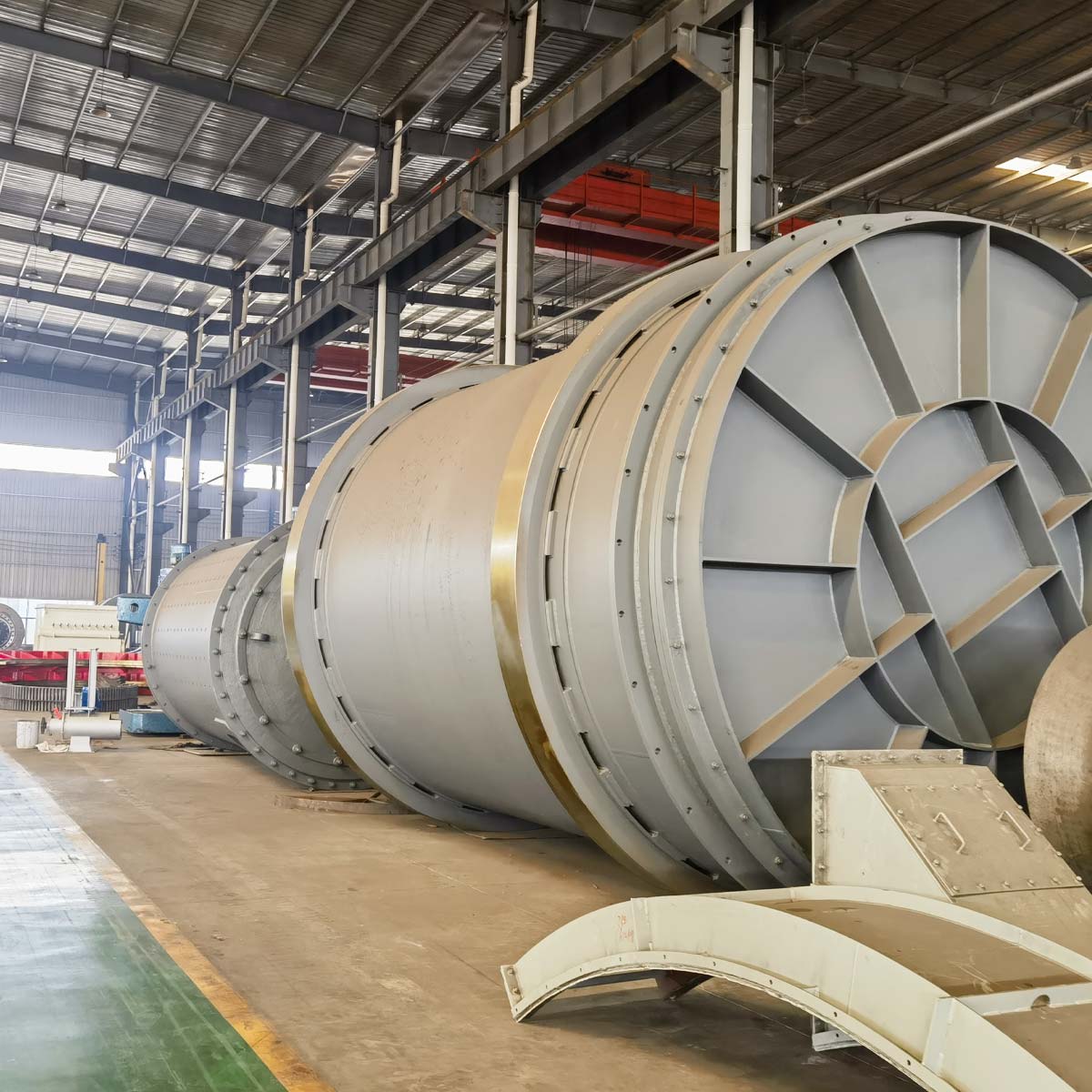
Ball Mill And Air Classifier Production Line
How It Works
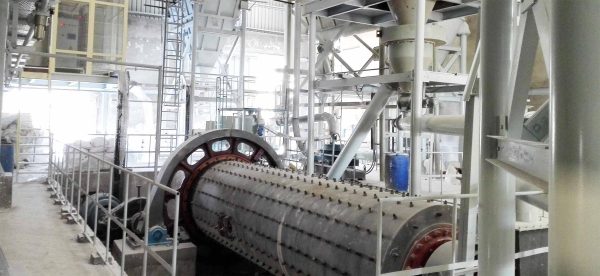
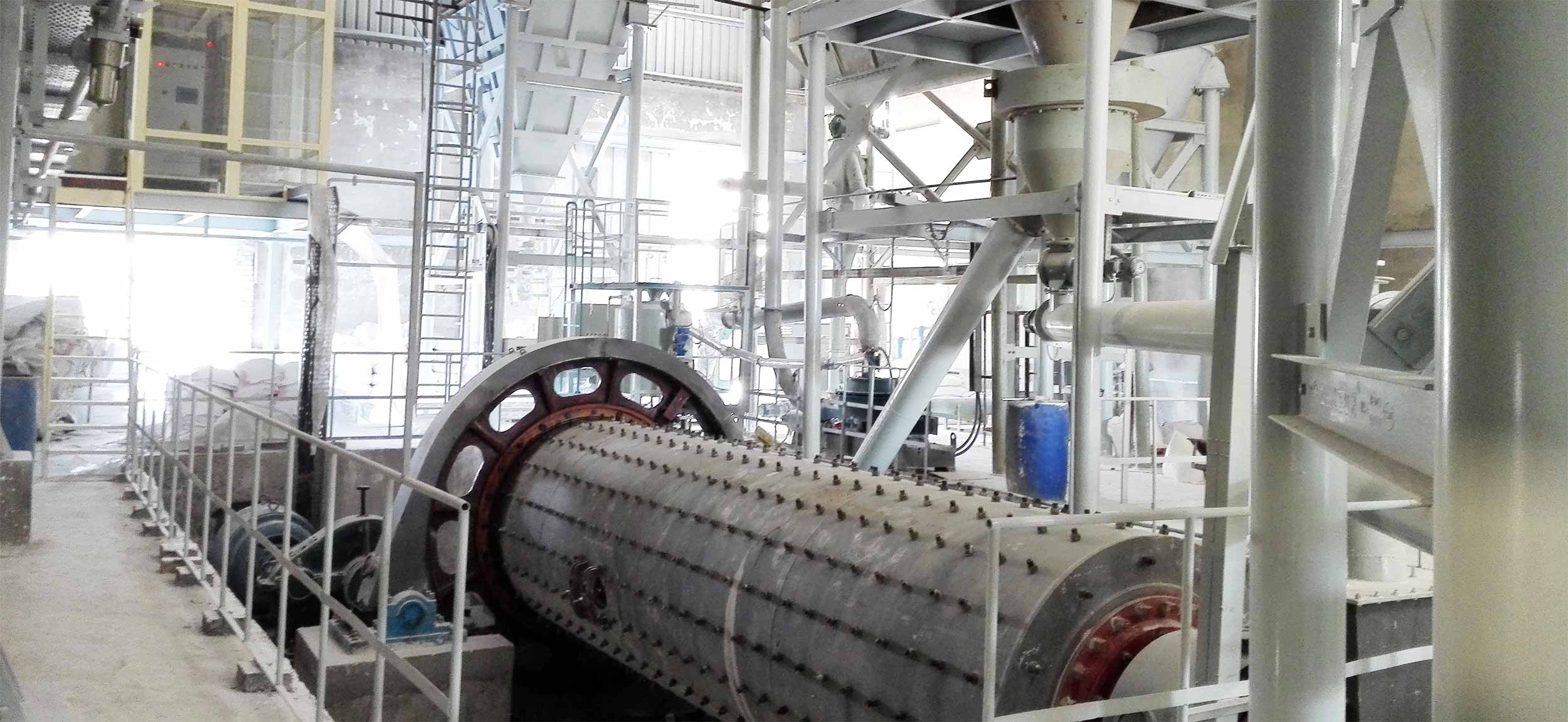
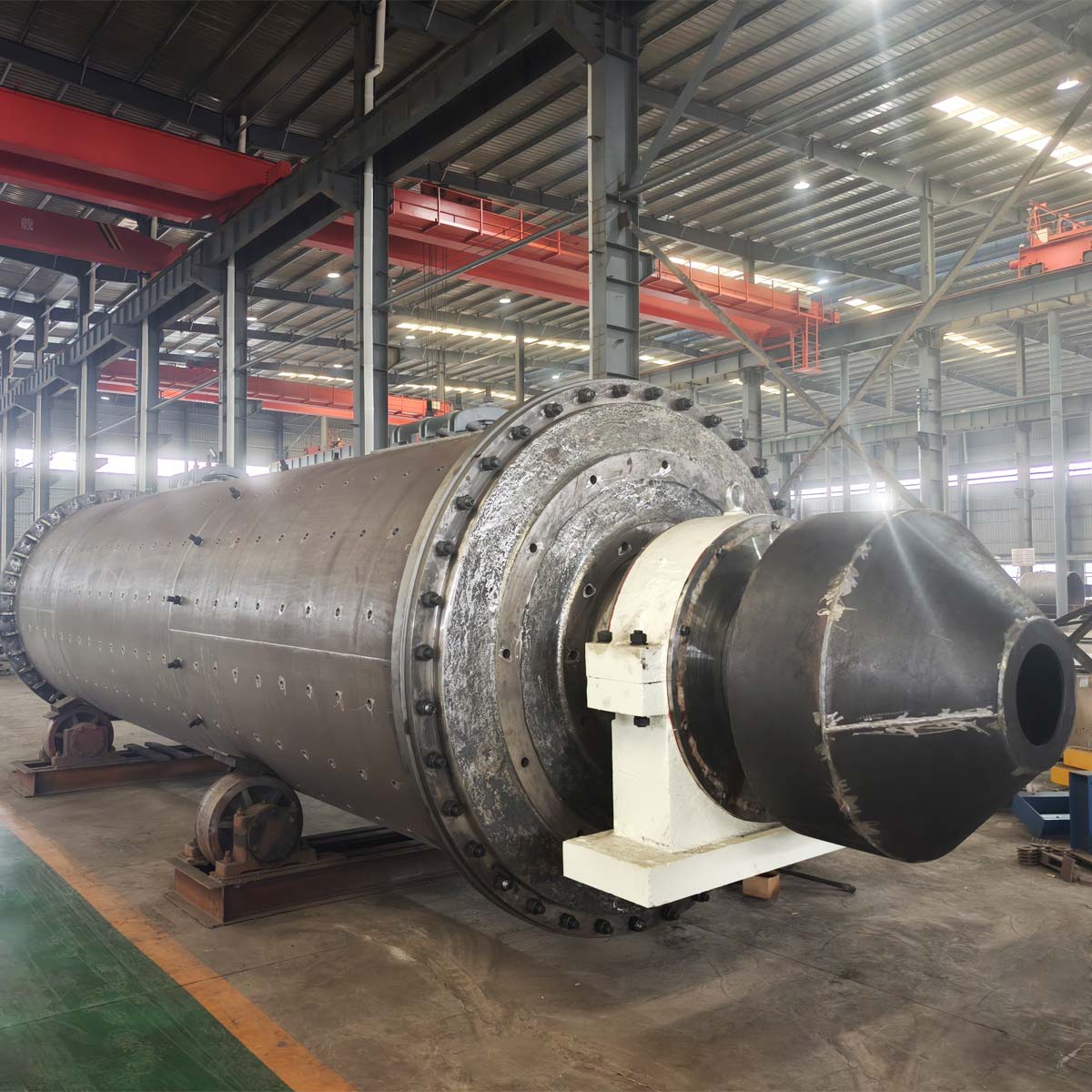
After primary crushing, materials enter the ball mill’s grinding chamber via a precision feeding system. The mill’s rotation imparts high kinetic energy to the grinding media (such as high-alumina or quartz balls), subjected the material to continuous impact and shearing. The pulverized material then enters a negative-pressure pneumatic system and is precisely transported to the high-efficiency air classifier.
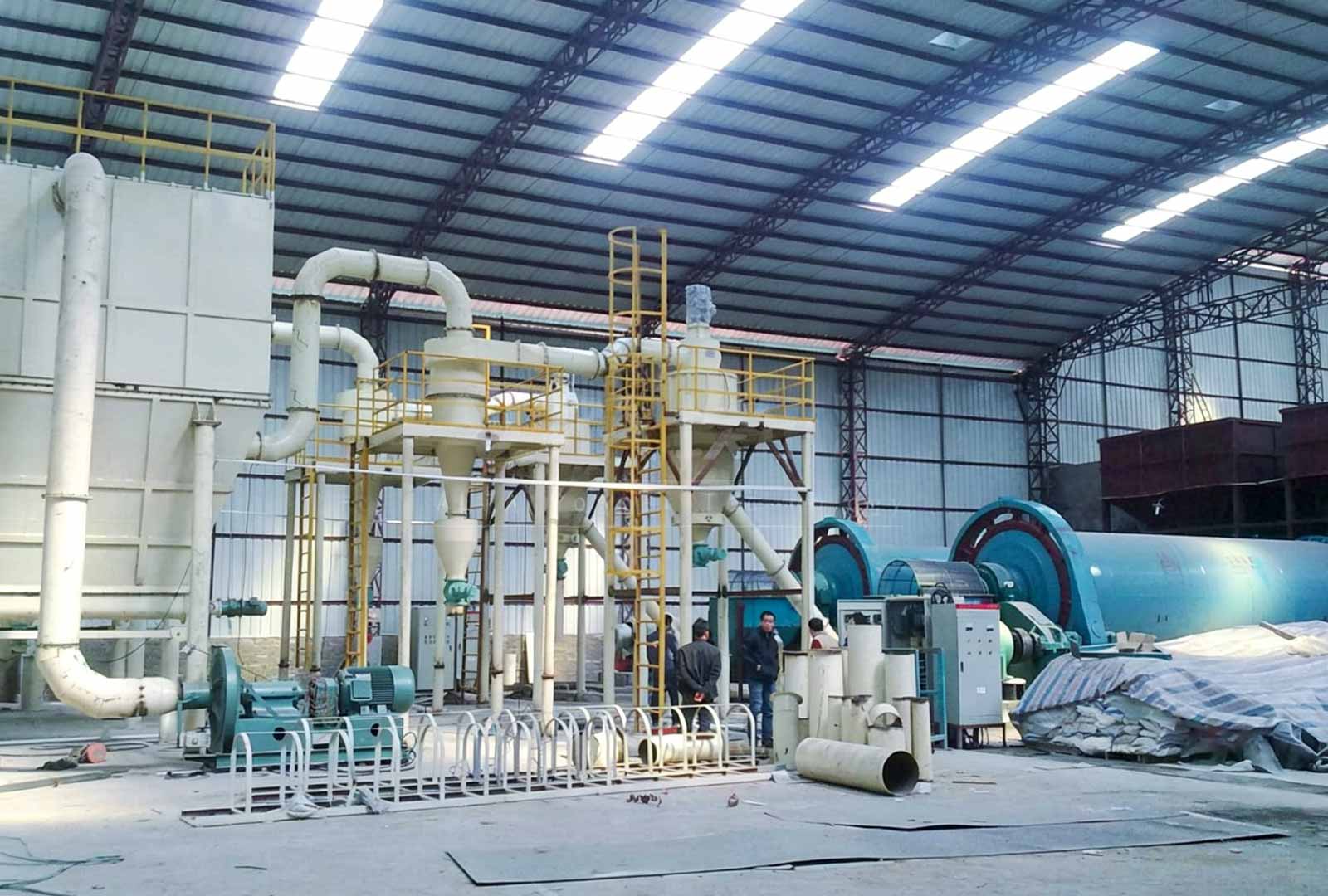
Inside the classification chamber, particles are sorted by the balance between the centrifugal force from the rotating wheel and the radial drag force from the induced draft. Qualified ultrafine powders (Quartz & Silica Powder) pass through the wheel for automated collection via cyclone separators or pulse jet filters. Oversized particles fall by gravity, exit from the bottom, and return to the ball mill via a closed-loop system for re-grinding.
Performance Features
Optimize aspect ratio to avoid over-grinding
Scientifically optimize the equipment’s aspect ratio to effectively suppress over-grinding. This ensures the grinding process is precisely controllable, enhancing material uniformity and end-product quality.
Upgrade sieve plates and optimize media
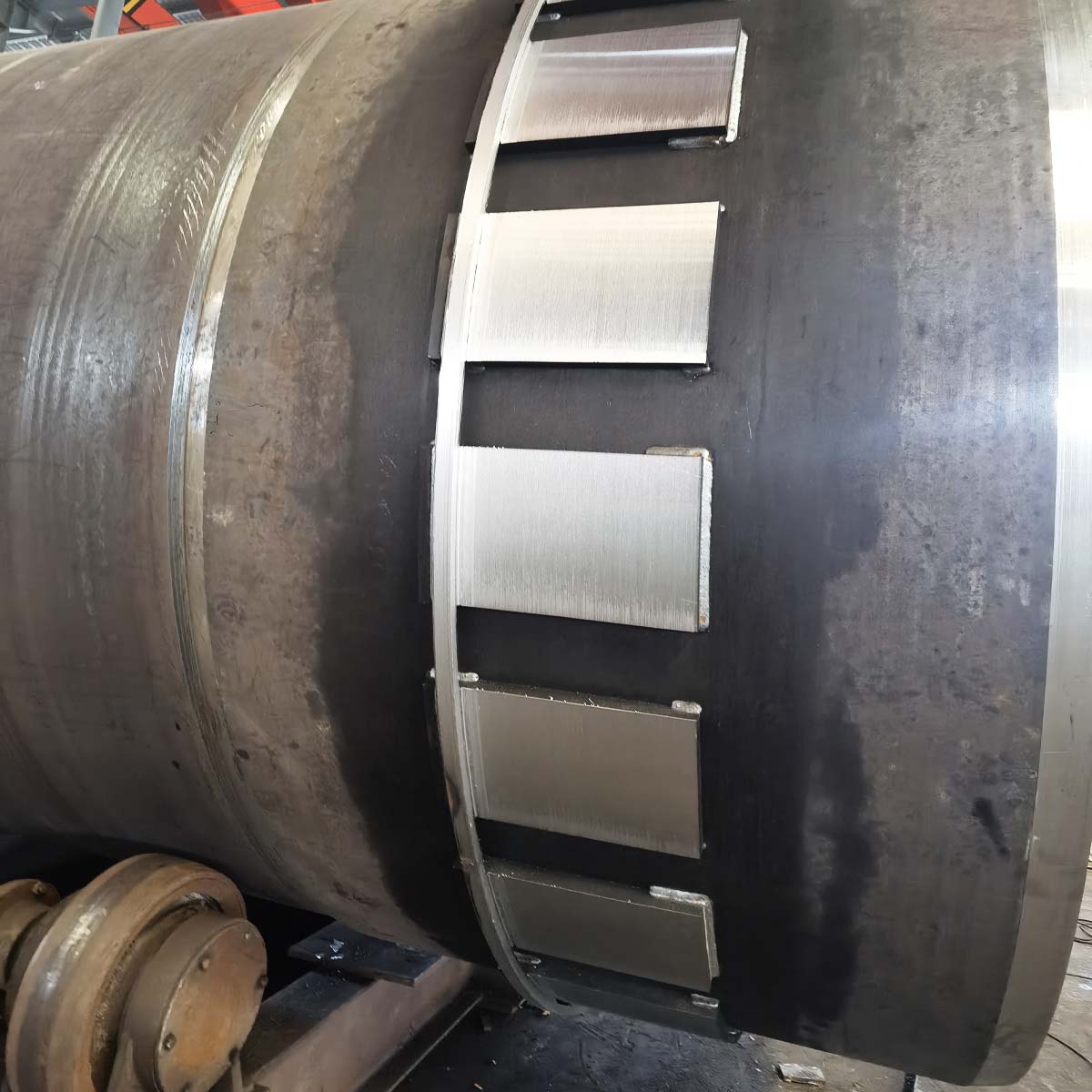
Optimize the structure of the sieve plates and pair them with smaller grinding media to increase the contact area and intensify grinding forces, significantly enhancing the fineness for ultrafine processing.
Sieve plate discharge and zero cooling requirement
Utilize a sieve plate discharge system at the mill’s rear to ensure a smooth material flow and eliminate retention. This design requires no additional cooling for the drum, simplifying operation.
Precision grinding aid spraying technology
Equipped with high-precision metering pumps to spray grinding aids based on fineness requirements. This reduces resistance and particle agglomeration, effectively shortening processing cycles and energy consumption.
Closed-loop system and dust-free operation
Form a complete closed-loop system with the classifier using negative-pressure transport. Materials are processed in a sealed environment to eliminate dust leakage, complying with environmental standards.
Iron-free design for hard minerals
Linings and grinding media are made from alumina ceramics, quartz, or SILEX (flint) to eliminate iron contamination during grinding, ensuring the peak quality of high-purity products.
Precision quantitative and smart feeding
Equipped with a precision feeding system and smart control mechanisms to maintain stable feed rates despite density fluctuations, ensuring grinding efficiency and product consistency.
Interlock control for system stability
Implement interlock control logic between the classifier and ball mill to coordinate feeding, discharging, and classification, ensuring stable system operation and precise particle size control.
Precision airflow measurement and classification
Damping valves with airflow measurement systems monitor and regulate airflow speed in real-time. This optimizes airflow parameters to enhance classification efficiency and particle sizing accuracy.
Technical Parameters
| Model Series: JBM (Quartz Application) | 1570 | 1830 | 2200 | 2400 | 2600 |
|---|---|---|---|---|---|
| Ball mill power (kW) | 75 | 160 | 245 | 320 | 560 |
| Classifier Parameters / Model | JCSF-400V | JCSF-450V | JCSF-500V | JCSF-630V | JCSF-800V |
| Classification power (kW) | 11 | 15 | 22 | 37 | 55 |
| Conveying packaging power (kW) | 5 | 11 | 11 | 11 | 22 |
| Air compressor power (kW) | 7.5 | 11 | 15 | 15 | 22 |
| D90~92:45μm capacity (t/h) | 1 | 2 | 3 | 4.5 | 6.7 |
| D90~92:15μm capacity (t/h) | 0.5 | 1 | 1.6 | 2.7 | 3.4 |
| D90~92:10μm capacity (t/h) | 0.35 | 0.75 | 1 | 1.5 | - |
